
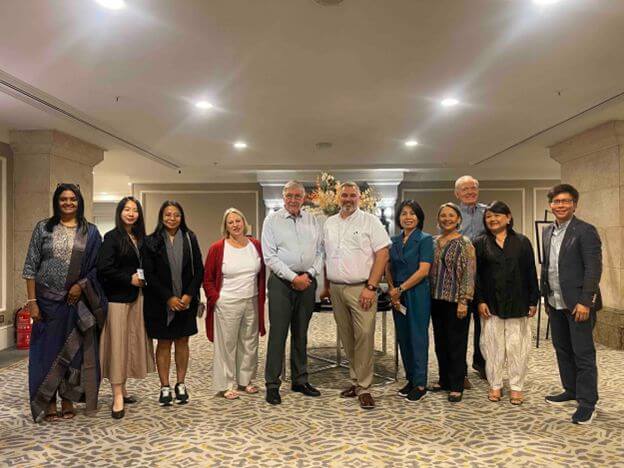
The recently concluded Zenger Folkman Partner Conference united regional partners for two days of impactful learning and collaboration in Kuala Lumpur, Malaysia. Set against a backdrop of cultural diversity and shared purpose, the event highlighted how strengths-based development, coaching, and innovative learning design are shaping leadership across Asia-Pacific.
A Cross-Cultural Tapestry of Learning
Dave Wilson of Zenger Folkman (ZF) opened the conference by celebrating both long-standing and new partnerships from Thailand, Vietnam, Malaysia, Singapore, New Zealand, the Philippines, and India. This rich network of cultural and business diversity underscored the conference’s central theme: leadership development must be evidence-based and culturally responsive.
Strengths-Based Leadership: Building from What Works
Michelle Shields, PhD HRD from Fullcrum Associates in New Zealand, launched the conference with a compelling presentation on strengths-based development (SBD). Drawing from positive psychology and the research of Martin Seligman and Mihaly Csikszentmihalyi, she emphasized that thriving leaders operate in their “flow”—leveraging natural strengths to foster deep engagement and peak performance.
“When you use your signature strengths in service of something larger than yourself, you don’t just perform better—you flourish.”
Michelle shared data showing that even a modest focus on strengths can significantly boost leadership effectiveness. ZF research reveals that applying just three core strengths can elevate a leader to the 81st percentile in performance.
Coaching in Context: Insights from Malaysia and the Philippines
Chai Lee Fong from Likeskills Institute in Malaysia discussed how coaching and feedback must align with cultural norms. Using the metaphor of “Snow White’s mirror,” she encouraged leaders to reflect deeply: “Do you really know who you are?” Her team applies the FUEL coaching model to foster empathy-driven conversations, especially in cultures where hierarchy and harmony can complicate feedback.
Tully Moss explored coaching within the Philippine context, stressing the importance of trust, timing, and cultural sensitivity. Filipino values such as malasakit (deep care), group harmony, and family orientation must inform coaching strategies. His key insight was clear: “Coach the person, not the problem.”
Blended Learning Innovation in Vietnam and the Philippines
Pham Thi My Le from SKALE shared how her team in Vietnam successfully blended online and in-person learning. This approach reduced costs by up to 45% while enhancing engagement and readiness. Her pilot program, which includes pre- and post-leadership seminar components, offers a cost-effective model for organizations in price-sensitive markets.
Carol Dominguez and I also presented how we use Cross Knowledge’s CK Connect to profile employees. These profiles are matched to ZF competencies, guiding both individual learning paths and group development sessions.
India: A Learning Powerhouse
Padmaja Vasmani of Siksha spotlighted India’s rapid transformation in learning and development. With the rise of AI-driven personalization, hybrid models, and executive coaching, India is emerging as a global hub for leadership development.
She outlined seven key trends, including:
- AI-powered learning paths
- Continuous upskilling
- Strategic alignment of L&D with business goals
- Increased investment in women’s leadership
“India balances high-end and high-touch. The opportunity lies in blending quantitative assessments with high-quality coaching.”
Launching ZF’s Newest Solution: The Extraordinary Team
Dr. Joe Folkman introduced The Extraordinary Team, ZF’s latest tool for assessing and enhancing team performance. Rather than focusing on individual leader scores, this solution examines team dynamics across 19 core competencies—from execution and credibility to strategic alignment.
“High-performing teams don’t just work better—they deliver measurable business results.”
A Different Kind of Learning
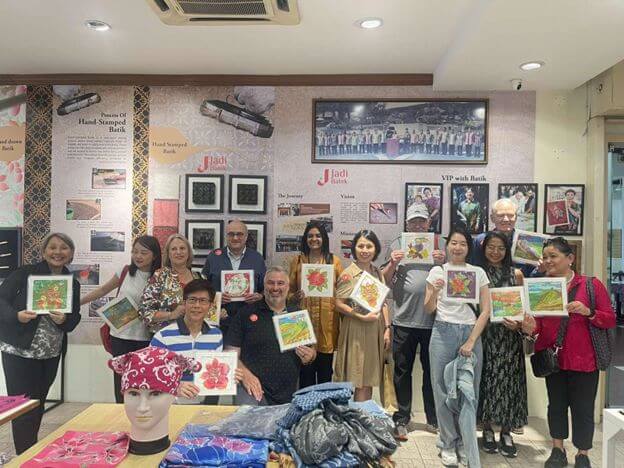
Between sessions, participants engaged in experiential learning. One afternoon was dedicated to batik painting, allowing attendees to explore creativity while practicing color theory and patience.
A visit to the Royal Selangor pewter factory offered insight into the craftsmanship behind its iconic products. Each participant shaped their own pewter bowl—a tactile reminder of artistry and attention to detail.
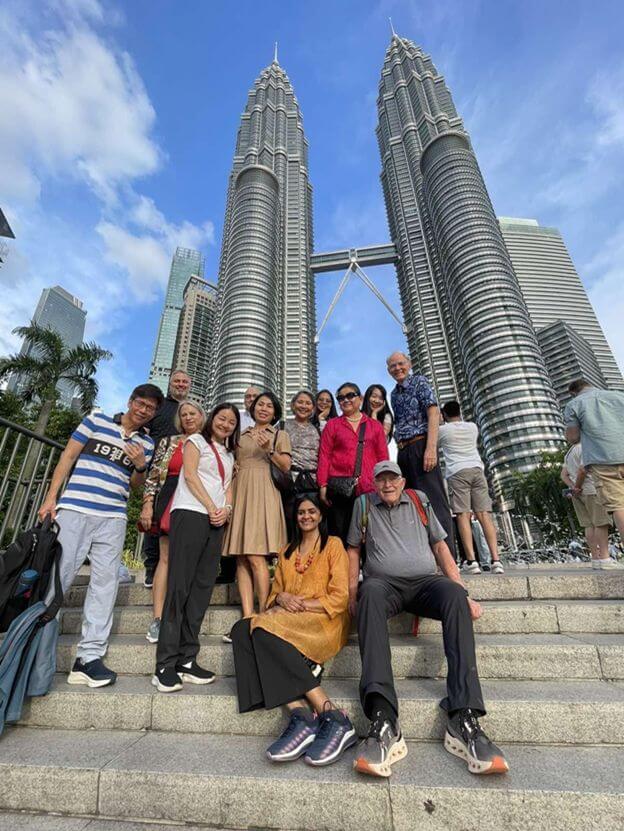
Sightseeing added further depth to the experience. Visits to the Petronas Twin Towers and KL Tower Observation Deck provided breathtaking views of Kuala Lumpur, capping off a transformative journey.
Closing Reflections: Leadership That Lasts
Dave Wilson closed the conference with a powerful synthesis, emphasizing adaptive learning design, cultural intelligence, and the art of coaching. Over two days, one message stood out: leadership is evolving. The most successful leaders will coach with empathy, lead with purpose, and grow through strengths.
Final Takeaway
From Manila to Mumbai, Bangkok to Wellington, the leadership journey is being redefined across Asia-Pacific. Through bold partnerships, evidence-based strategies, and cultural respect, the region is setting a new standard for leadership diverse, dynamic, and relational.
Ready to Shape the Future of Leadership in Asia-Pacific?
Discover how coaching, culture, and innovation are transforming leadership across the region. At John Clements Leadership Institute, we bring these insights to life through tailored programs designed for today’s leaders. Discover how we can support your organization’s leadership development journey today.

